FeedHive has attracted a dedicated user base with its AI-powered content recycling, automatically re-posting top-performing tweets and posts to maintain active feeds. For bloggers and content creators with evergreen material, this functionality is valuable.
However, for ecommerce sellers, recycling presents a different challenge. Re-posting identical product photos repeatedly rarely drives new sales. More often, it fatigues your audience. What online stores need is fresh variations of product content, not endless repetition of the same images.
Additionally, some users find FeedHive's interface cluttered with AI widgets despite its visual appeal, and the credit system for AI generation can feel restrictive. If you need a tool focused on content creation, simplicity, or visual planning, here are six practical FeedHive alternatives for 2026.
1. Design Instantly
FeedHive excels at managing existing content. Design Instantly is built to create the content you're missing in the first place.
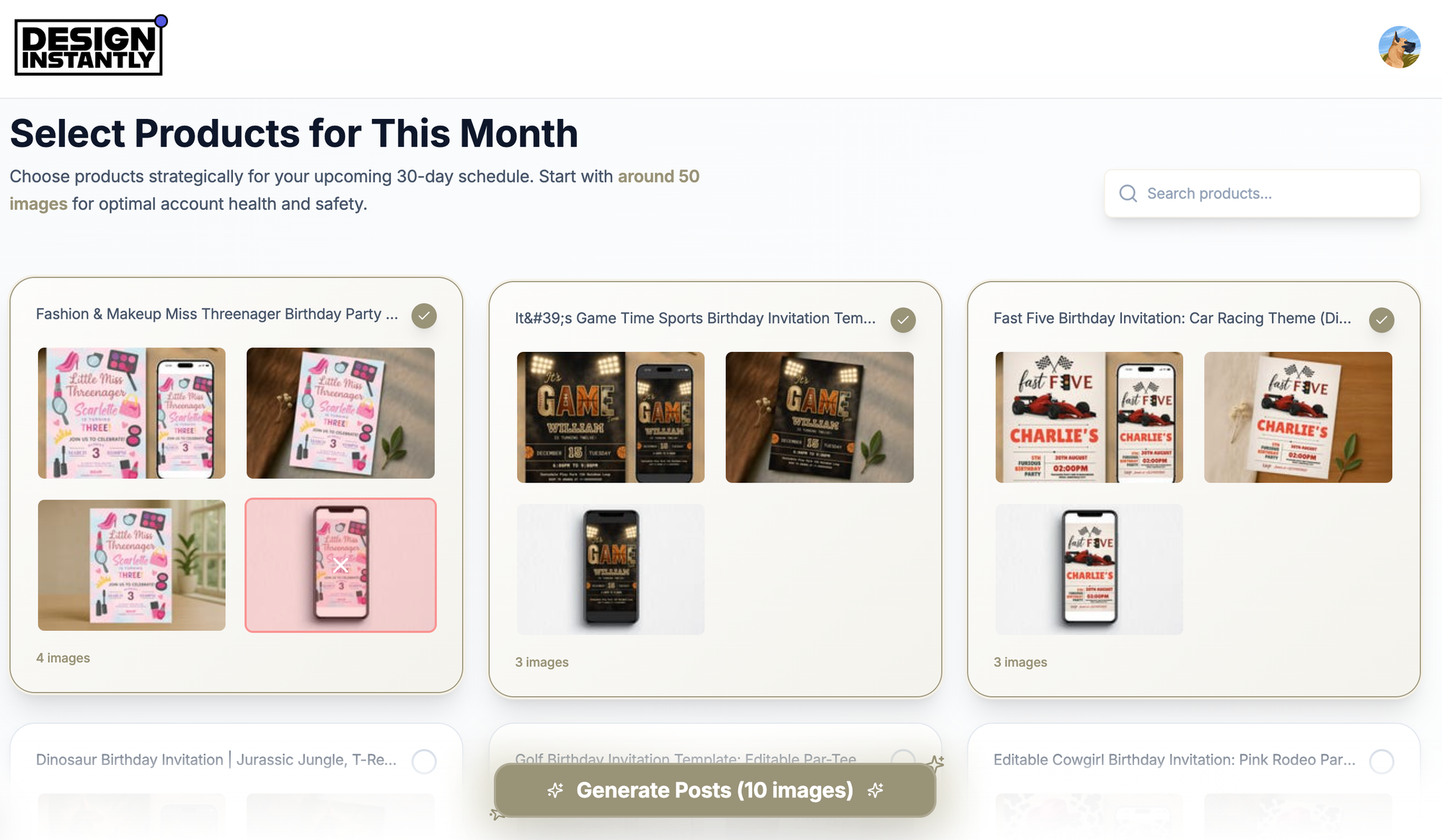
For online stores, the real bottleneck is generating high-quality visuals for every product in your catalog. Design Instantly addresses this by connecting to your shop and generating a month of fresh, conversion-focused creatives. Instead of recycling one aging photo, you get dozens of new, professionally designed variations to populate your schedule.
Why It's Better
Creation Over Recycling: FeedHive re-queues old posts. Design Instantly generates new posts from your current inventory, keeping your feed genuinely fresh.
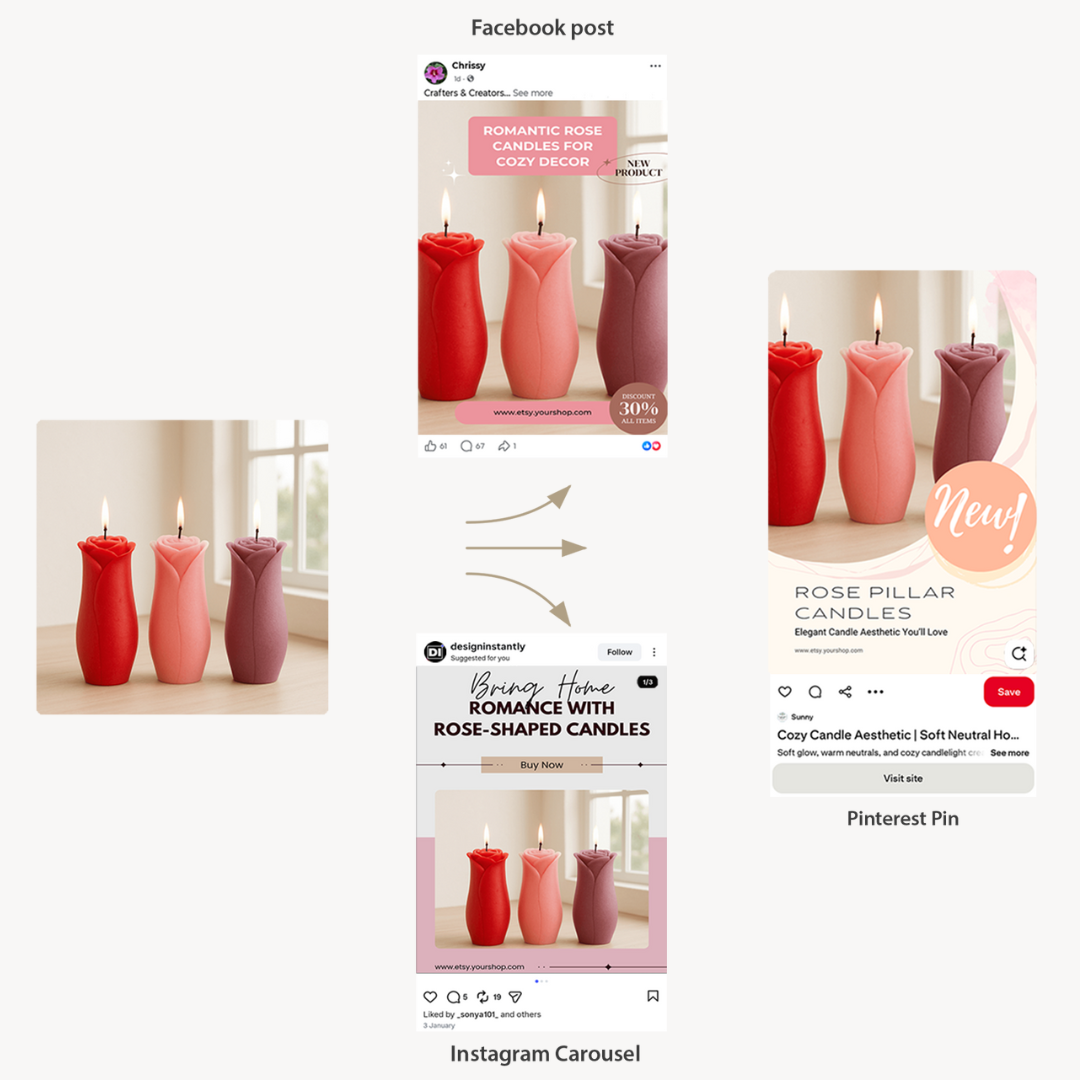
Automated Design: Automatically applies conversion elements like "Low Stock" alerts, price tags, and "Shop Now" buttons that FeedHive cannot add to images.
Bulk Production: Select 50 products and generate posts for all of them in one click, complete with AI-written captions and hashtags.
Platform Optimization: Creates platform-specific assets (vertical Pinterest pins, Instagram carousels) automatically without manual formatting.
The Trade-Off
No "evergreen" recycling queue. You generate monthly content, schedule it, then create fresh content the following month rather than endlessly looping the same posts.
Pricing
- Free: Generous free plan with no credit card required
- Paid: Starts at $20/month
Best for: Sellers wanting fresh product content, not recycled reruns of the same images.
2. SocialBee
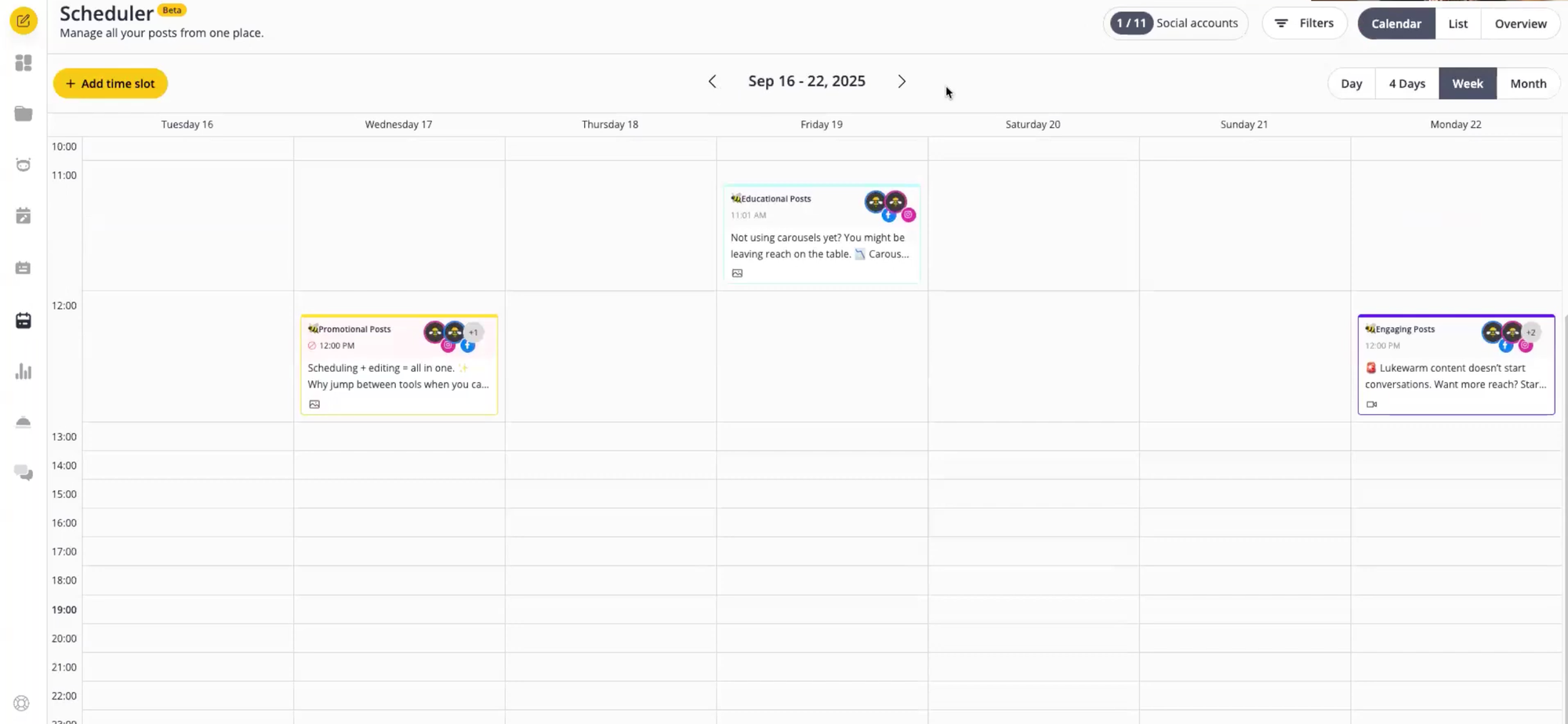
If you use FeedHive specifically for recycling and category-based scheduling, SocialBee pioneered this workflow years before FeedHive existed. It was doing category-based scheduling (like "Monday = Motivation," "Tuesday = Products") long before competitors entered the space.
SocialBee's recycling engine is widely regarded as the most sophisticated in the industry, offering complex rules for post frequency and expiration.
Why It's Better
Granular Control: Set posts to expire after specific view counts or dates, giving you more recycling precision than FeedHive offers.
Content Variations: Create multiple text variations for a single post so it appears different each time it recycles.
Concierge Service: Uniquely offers a service where their team actually writes and curates content for you.
The Trade-Off
The interface is functional but feels denser and less polished than FeedHive's modern dashboard design.
Pricing
- Bootstrap: Approximately $29/month
- Accelerate: Approximately $49/month
Best for: Power users wanting maximum control over their evergreen recycling schedules.
3. Vista Social
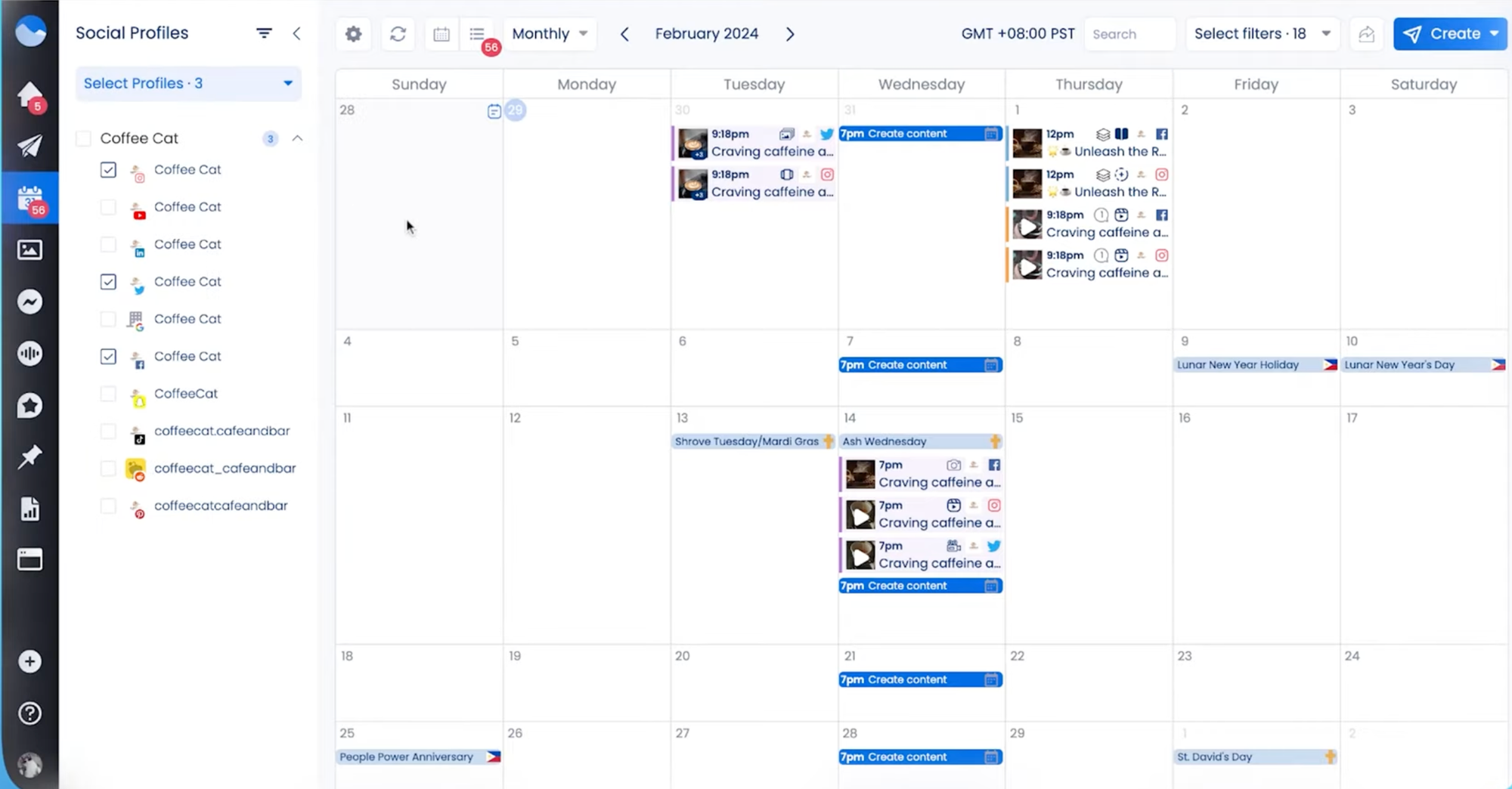
FeedHive is praised for being modern, but Vista Social is the newer challenger matching that contemporary feel while packing substantially more features for agencies and teams, including unified inbox and review management.
If FeedHive feels incomplete for business needs (like responding to Google Reviews or simplified client reporting), Vista Social fills those gaps comprehensively.
Why It's Better
Review Management: Respond to Google My Business and Facebook reviews directly from the dashboard.
TikTok Direct Publishing: One of the most reliable platforms for posting directly to TikTok without mobile notification workarounds.
Employee Advocacy: Built-in tools helping teams share brand content to their personal networks.
The Trade-Off
Does so much (reviews, listening, scheduling, ads) that the learning curve can be steeper than FeedHive's focused approach.
Pricing
- Standard: Approximately $39/month
- Pro: Approximately $79/month
Best for: Modern agencies needing reputation management alongside social scheduling.
4. Buffer
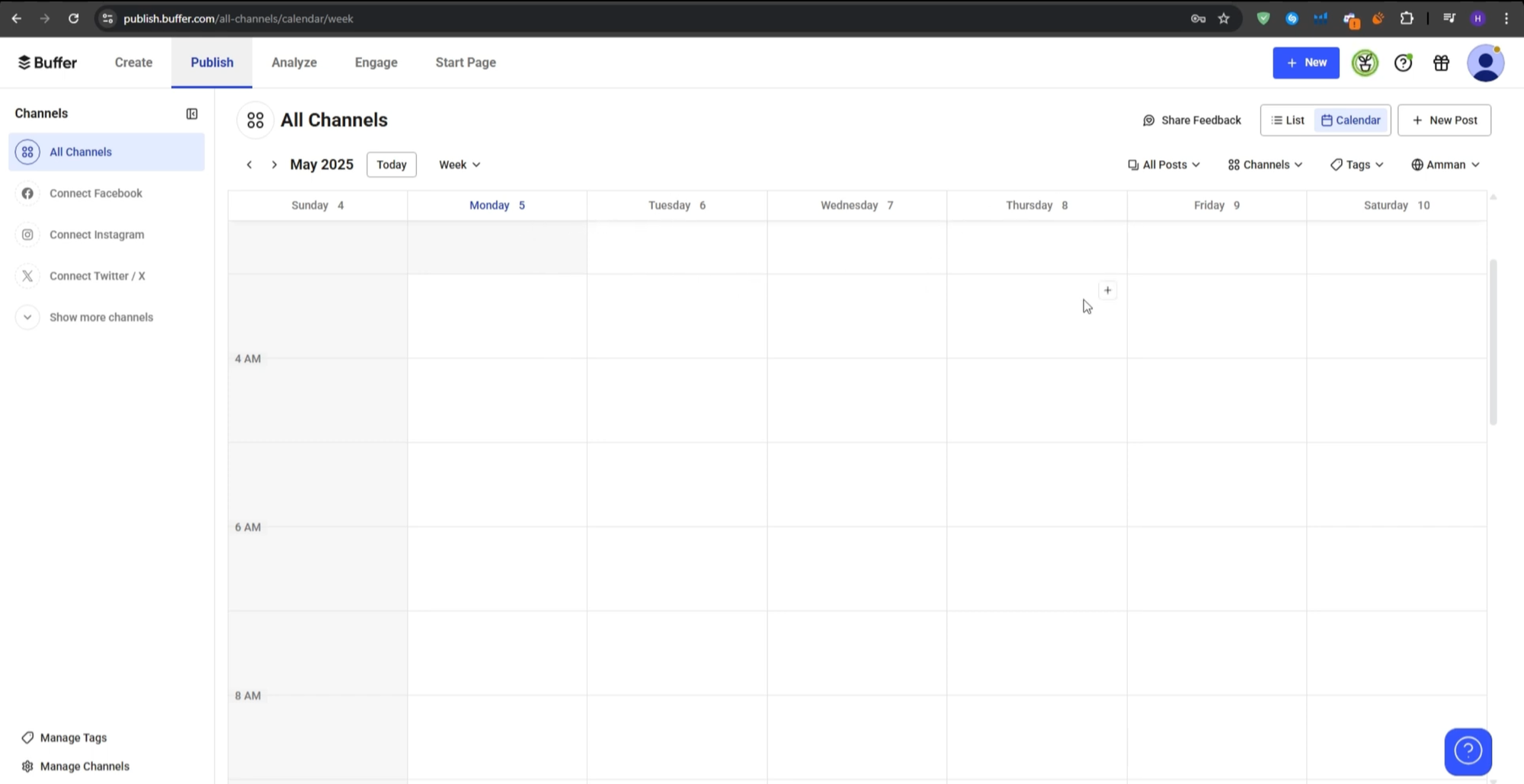
FeedHive is loaded with AI widgets, performance predictors, and growth tools. Sometimes that's simply too much complexity. Buffer is the minimalist alternative.
If you want to queue weekly posts without navigating a feature-heavy dashboard, Buffer's clean, straightforward interface provides relief.
Why It's Better
Simplicity: Arguably the easiest scheduling tool available. No AI credits or complex automation rules to configure.
Start Page: Includes a free, customizable link-in-bio page.
Transparent Pricing: Pay per channel. If you only manage two channels, it's extremely affordable.
The Trade-Off
No recycling functionality. Buffer creates a queue, but once a post publishes, it's finished. It won't automatically recycle content.
Pricing
- Free: Basic plan for 3 channels
- Essentials: $6/month per channel
Best for: Solo entrepreneurs wanting a calm, uncomplicated scheduling experience.
5. Metricool
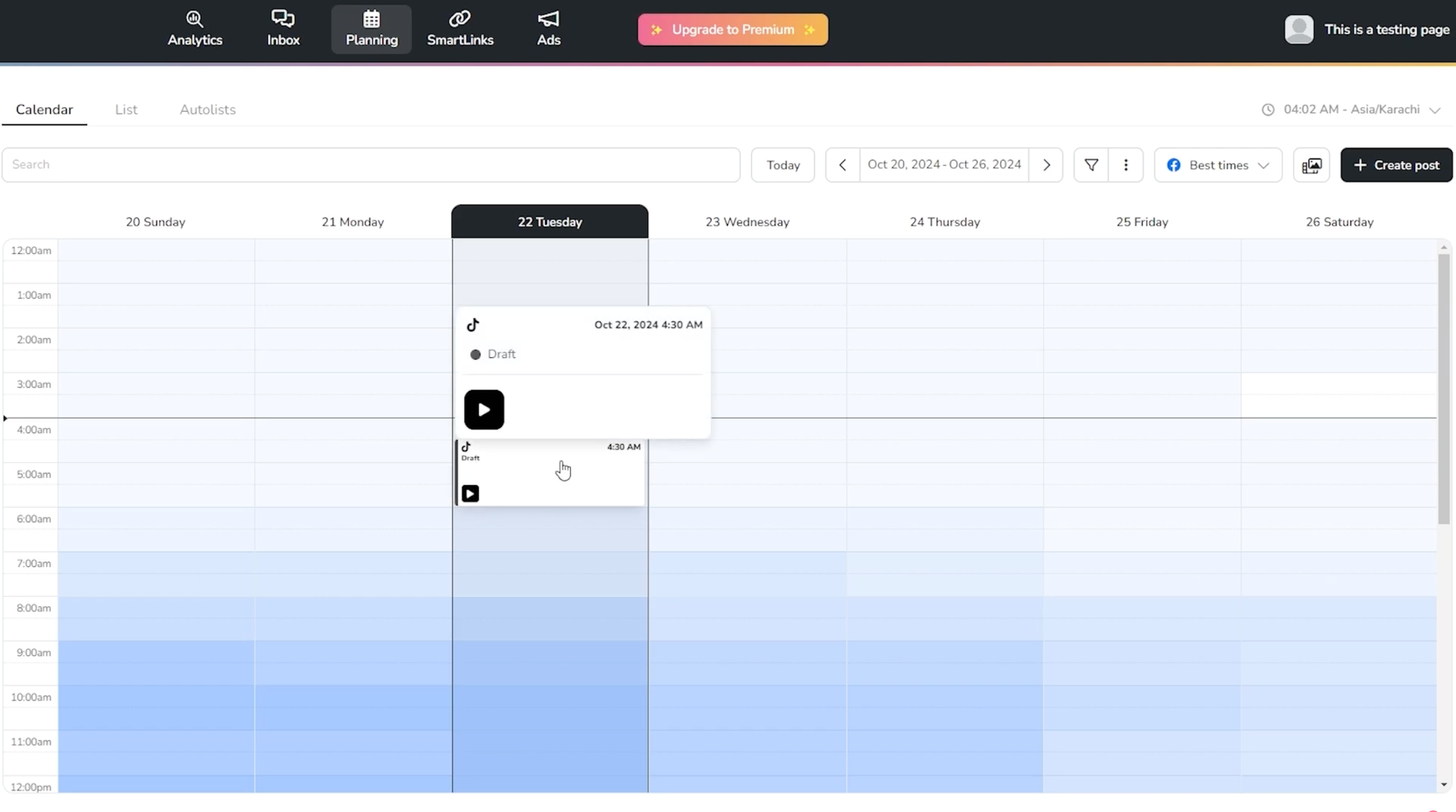
FeedHive offers AI performance predictions, but Metricool delivers actual data. It's the superior alternative for sellers who prioritize numbers: traffic, clicks, and ROI.
While FeedHive focuses on engagement metrics, Metricool focuses on results, showing precisely how your social strategy drives visitors to your ecommerce store.
Why It's Better
Unified Data: Integrates with your website (Shopify/WordPress) to demonstrate the connection between social posts and web traffic.
Competitor Tracking: Monitor up to five competitors to analyze their growth and top-performing posts.
Ad Management: Manage and boost Facebook/Instagram ads directly from the platform.
The Trade-Off
The dashboard is data-heavy and spreadsheet-oriented. It prioritizes analytics over visual planning aesthetics.
Pricing
- Free: Excellent free plan including analytics
- Starter: Approximately $18/month
Best for: Sellers making decisions based on analytics and data rather than intuition.
6. Later
FeedHive is a text-first platform optimized for Twitter/LinkedIn. Later is a visual-first platform designed for Instagram/Pinterest.
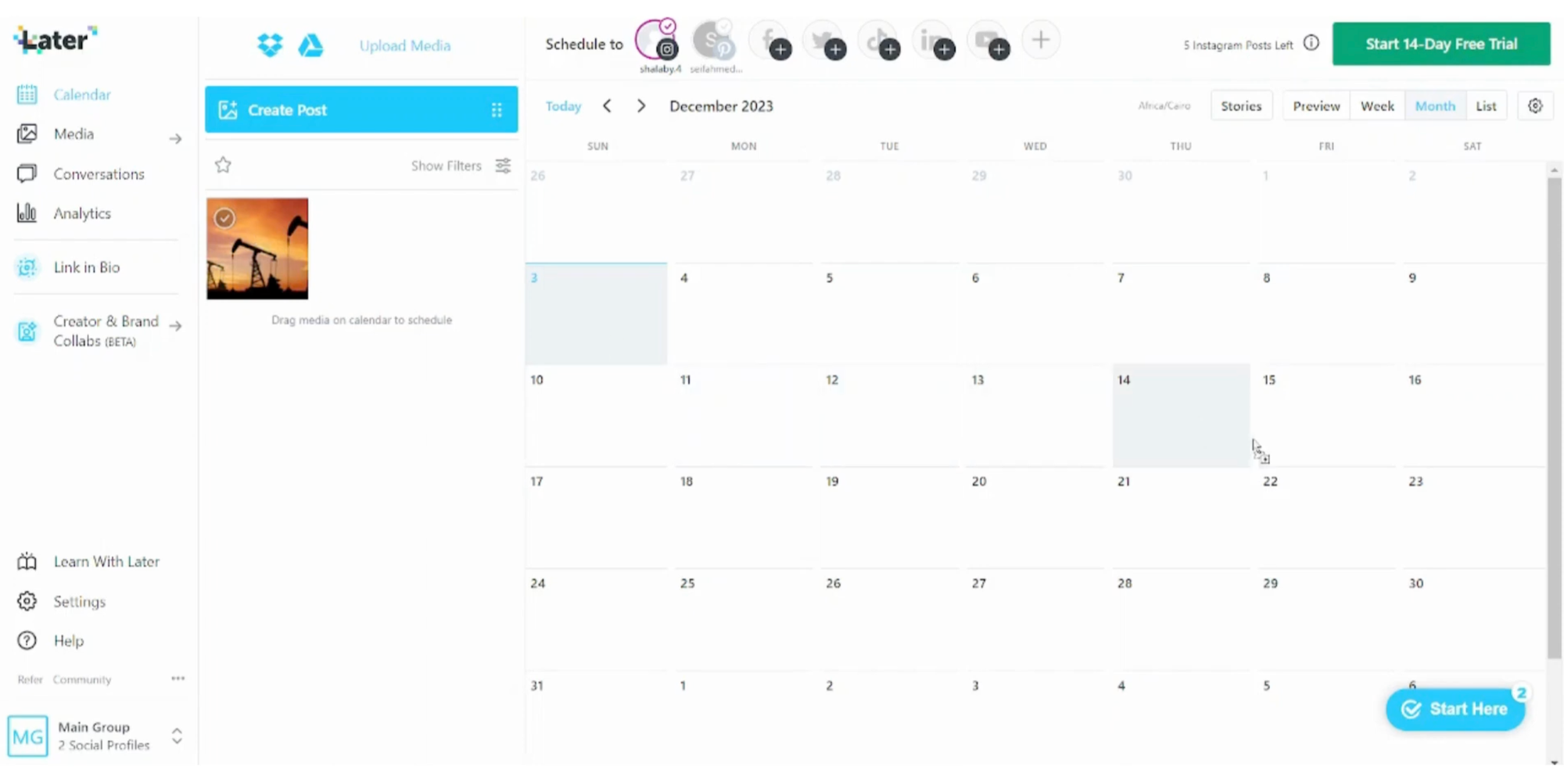
If you're selling products, visuals matter more than tweets. Later's entire interface is built around the Media Library and Visual Planner, making it substantially easier to curate a cohesive brand aesthetic.
Why It's Better
Visual Planner: Drag and drop your feed to ensure your grid looks cohesive and professional before publishing.
Linkin.bio: Superior link-in-bio tool allowing shoppable product links directly from your feed.
Media Organization: Better tools for tagging, filtering, and sorting your product photography library.
The Trade-Off
More cumbersome than FeedHive for text-only platforms like X (Twitter) or LinkedIn.
Pricing
- Starter: Approximately $25/month
Best for: Visual brands prioritizing Instagram aesthetics over Twitter growth.
Quick Comparison
| Tool | Monthly Cost | Primary Strength | Recycling | Content Creation |
|---|---|---|---|---|
| Design Instantly | $20+ | Generates fresh product posts | No | Automated |
| SocialBee | $29+ | Advanced recycling control | Excellent | Manual |
| Vista Social | $39+ | Review management + social | Basic | Manual |
| Buffer | $6/channel | Simplicity | None | Manual |
| Metricool | $18+ | Analytics & data | Basic | Manual |
| Later | $25+ | Visual planning | None | Manual |
Which FeedHive Alternative Makes Sense?
Choose Design Instantly for product automation. It shifts you from recycling old photos to generating new product ads automatically, solving the creation bottleneck FeedHive doesn't address.
Choose SocialBee for advanced recycling. It provides the granular control over evergreen content that power users require, with more sophisticated rules than FeedHive.
Choose Vista Social for modern agency needs. It's the comprehensive version of FeedHive adding review management and team collaboration tools.
Choose Buffer for simplicity. If FeedHive's AI widgets and features overwhelm you, Buffer strips everything down to essential scheduling.
Choose Metricool for data-driven decisions. If you need hard analytics showing how social drives store traffic rather than engagement predictions, Metricool delivers.
Choose Later for visual brands. If your products are inherently visual and Instagram is your primary channel, Later's planning tools surpass FeedHive's text-first approach.
The core issue with FeedHive for ecommerce isn't that it's a poor platform. It's that recycling content works brilliantly for evergreen blog posts and thought leadership, but poorly for product catalogs that need fresh, varied presentations.
Most online stores don't benefit from posting the same product photo repeatedly. They need multiple fresh angles, seasonal variations, and different promotional approaches for the same inventory. That's a creation problem, not a recycling problem.
Evaluate your actual workflow bottleneck. If it's creating enough content, you need Design Instantly. If it's perfecting your recycling strategy for truly evergreen content, you need SocialBee. If it's understanding performance, you need Metricool. If it's managing visual consistency, you need Later.
Choose based on what FeedHive specifically fails to solve for your ecommerce business, not based on which platform has the most AI features or the shiniest interface.